The Evolution of Animations in Modern Media
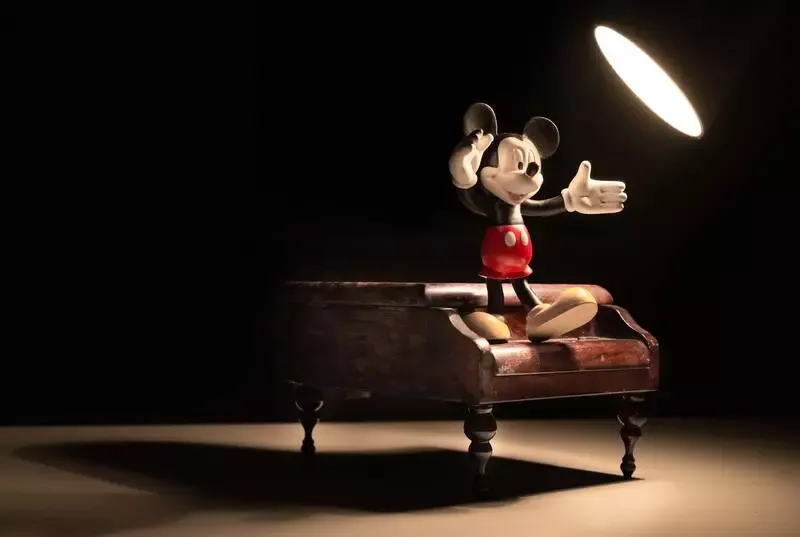
The Evolution of Animations in Modern Media begins with simple drawings that moved frame by frame. Early animators worked with paper ink and endless patience. Every movement required a new drawing. That meant thousands of sketches for just a few minutes of film. Despite the slow process these early works carried a magical charm.
One of the key milestones was the rise of studios like Walt Disney Animation Studios. Their early films changed how audiences saw cartoons. Characters became expressive and stories gained emotional depth. Movies such as Snow White and the Seven Dwarfs proved that animation could carry full length storytelling. It was not only for children but for families and adults as well.
These early works relied on cell animation. Artists painted characters on transparent sheets layered over backgrounds. The method demanded teamwork and artistic skill. Though technology was limited creativity was not. This foundation shaped everything that followed.
The Rise of Television and Saturday Cartoons
As television entered homes animation found a new space to grow. Studios adapted to faster production schedules and smaller budgets. This change led to limited animation techniques. Instead of drawing every detail repeatedly animators reused backgrounds and simplified movement.
Studios like Hanna-Barbera became leaders in this format. Shows such as The Flintstones and Scooby-Doo, Where Are You! became household names. These programs shaped childhood memories for generations.
Television made animation more accessible. It moved from cinemas into living rooms. While budgets were tighter storytelling expanded. Writers experimented with humor mystery and family themes. Animation was no longer an occasional event. It became part of daily life.
The Digital Revolution and CGI Breakthrough
The Evolution of Animations in Modern Media took a dramatic turn with the arrival of computers. Digital tools changed how artists created movement color and special effects. Instead of painting each frame by hand animators could now model characters in three dimensions.
A major breakthrough came with Toy Story produced by Pixar Animation Studios. It was the first full length feature film created entirely with computer generated imagery. The success of this film proved that CGI could carry emotion humor and complex storytelling.
Digital animation offered flexibility. Artists could adjust lighting textures and camera angles with precision. Mistakes were easier to correct compared to traditional ink and paint methods. Over time CGI became the dominant form in major studios. Yet many creators still blend digital tools with hand drawn techniques to preserve artistic warmth.
Animation in Video Games and Interactive Media
Modern media is not limited to films and television. Video games brought animation into interactive worlds. Instead of watching a story unfold players now influence it. Animation became responsive and dynamic.
Franchises like The Legend of Zelda: Breath of the Wild and Fortnite showcase how fluid animation enhances gameplay. Character movement environmental design and facial expressions create immersive experiences.
Motion capture technology also plays a key role. Actors perform scenes while sensors record their movements. These recordings translate into realistic digital characters. The result is a blend of live performance and computer design. Animation is no longer confined to passive viewing. It shapes interactive storytelling in real time.
Streaming Platforms and Global Influence
Streaming services transformed how audiences access animated content. Platforms such as Netflix and Disney+ provide instant access to global animation. This shift opened doors for diverse styles and cultural stories.
Japanese anime gained massive worldwide popularity through titles like Attack on Titan. At the same time Western studios experiment with bold visuals and mature themes. Animated series now address complex issues including identity technology and society.
The streaming era allows creators to reach niche audiences. A series does not need to appeal to everyone to succeed. This freedom encourages experimentation in art style narrative structure and tone. The global exchange of ideas continues to push animation forward.
The Future of Animation in Modern Media
The Evolution of Animations in Modern Media continues as technology advances. Virtual reality augmented reality and artificial intelligence are shaping new creative paths. Artists can now build entire digital worlds that viewers explore in immersive environments.
Real time rendering tools shorten production time while increasing visual quality. Independent creators also benefit from affordable software. Animation is no longer limited to large studios. Talented individuals can produce high quality content from home setups.
Despite all these changes the heart of animation remains storytelling. Whether hand drawn or digitally rendered the goal is to connect with audiences. Characters must feel alive and relatable. Technology may evolve but emotion remains central.
Final Thought
The Evolution of Animations in Modern Media reflects both artistic passion and technological progress. From pencil sketches to immersive digital universes animation has grown into one of the most powerful storytelling tools of our time. Each era built upon the last. Traditional techniques laid the groundwork. Television expanded reach. CGI reshaped visuals. Interactive media deepened engagement. Streaming broadened global influence. The future promises even more innovation yet the core remains simple. Animation gives life to imagination. It transforms ideas into moving stories that inspire entertain and connect people across cultures and generations.
FAQs
What is the first fully CGI animated feature film?
The first fully computer generated feature film was Toy Story released in 1995. It marked a turning point in animation history and proved CGI could lead mainstream cinema.
How did television change animation production?
Television required faster and more affordable production methods. Studios used limited animation techniques to meet tight schedules. This allowed animation to become a regular part of daily entertainment.
Why is CGI so popular today?
CGI allows detailed textures dynamic lighting and flexible camera movement. It also reduces certain production challenges found in traditional hand drawn methods.
How do video games use animation differently from films?
Video games use interactive animation. Characters respond to player actions in real time. This creates immersive experiences that change based on user input.
What role do streaming platforms play in modern animation?
Streaming platforms provide global access to animated content. They support diverse storytelling styles and allow creators to reach specific audiences worldwide.
Will traditional hand drawn animation disappear?
Traditional animation still exists and often blends with digital tools. Many creators value its artistic warmth and unique style. It continues to influence modern projects.